Français
  Nederlands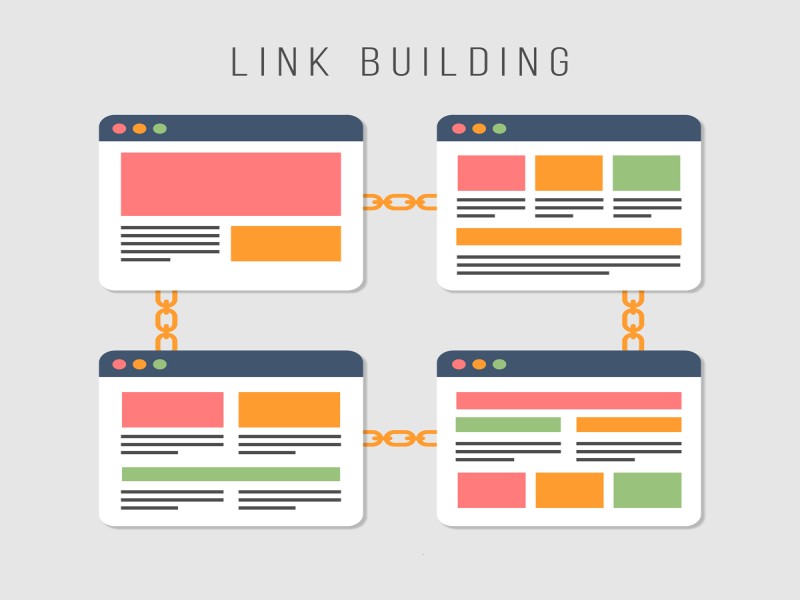
Why internal link structure is essential
Optimizing a website for search engines requires more than just high-quality content and strong external backlinks. One of the most underrated strategies for better discoverability is using a thoughtful internal link structure. By connecting pages within your own domain, you help search engines like Google better understand the hierarchy and relevance of your content. When search engine spiders navigate your site, these links act as a roadmap leading them to your most important pages.
In addition, a logical structure ensures that the link equity, also known as 'link juice', is distributed efficiently across your website. Pages that receive significant authority through external sources can pass this value on to other relevant pages via internal links. This process helps even less prominent pages rank better in search results, potentially increasing your website's overall organic traffic structurally.
The impact on user experience and retention
Beyond technical benefits for search engines, internal links play a crucial role in improving user experience. When a visitor arrives at your website, they expect intuitive navigation that leads them to additional, relevant information. By placing smart internal links in your texts, you increase the likelihood that users will stay on your website longer. This lowers the bounce rate and increases engagement, which are indirect signals telling search engines that your website provides value to the end user.
Adding links to related articles or services also guides visitors through the 'customer journey'. Creating a logical path helps increase conversion rates, as you actively direct visitors to pages aimed at sales or contact. Using clear anchor texts is essential here. By using descriptive words instead of vague terms like 'click here', both the visitor and the search engine understand exactly what the purpose of the linked page is.
Best practices for an effective link strategy
Implementing an internal link strategy is not a one-time task but a continuous process requiring precise maintenance. A common mistake is placing links randomly without any contextual relevance. An effective approach is using a 'topic cluster' model. Here, a central page (the 'pillar page') is linked to several specific subpages. This strengthens the authority of your domain on a specific topic and shows search engines that you are an expert in your field.
Furthermore, it is important to regularly check your website for broken links. Nothing is more frustrating for a visitor or search engine than a dead end, as this negatively impacts crawlability. Use professional tools to perform a periodic audit. By focusing on a natural distribution of links and ensuring a logical hierarchy, you build a robust foundation for better online visibility. A conscious approach to internal enrichment is the key to successfully unlocking the full potential of your website in today's competitive digital environment.